Lighting Automation as an Extension of Design
Blog Details
In the most refined spaces, lighting doesn’t call attention to itself.
It simply feels right.
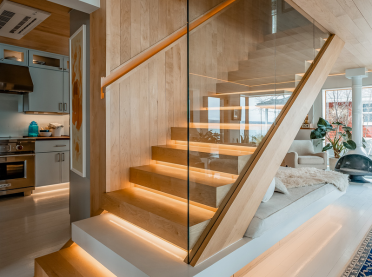
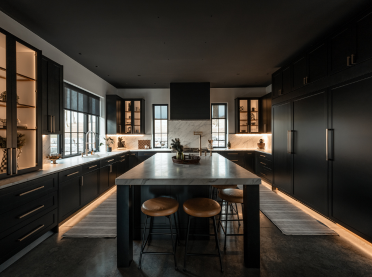
When lighting automation is designed properly, it becomes an extension of the architecture—not a layer added on top of it. It enhances the intent of the space, supports how it’s used throughout the day, and quietly shapes the experience without ever becoming visible.
At LAVA Integrated Technologies, we believe lighting automation should begin with design, not technology. Before systems, interfaces, or controls are considered, we focus on how a space is meant to feel. Calm or energized. Open or intimate. Active or restorative. Automation exists to support those moments—not dictate them.
A well-designed lighting environment responds naturally to time and use. Morning light feels clear and uplifting. Afternoon light supports focus and movement. Evening light softens, slows the body, and invites rest. These transitions should happen seamlessly, guided by thoughtful programming that mirrors the rhythm of natural light.
Automation allows these moments to unfold effortlessly. Instead of manually adjusting individual lights, a space responds as a whole. Layers shift together. Intensity and warmth change in balance. The result is not control for control’s sake—but continuity.
Equally important is what automation does not do. It should not clutter walls with excessive interfaces or distract from architectural lines. Hardware should disappear into the space. Control should be intuitive, repeatable, and consistent—so the experience feels natural every time.
When lighting automation is treated as part of the design process, it elevates everything around it. Architecture feels more intentional. Materials are revealed more beautifully. Spaces feel composed, not programmed.
This is where technology becomes invisible—and experience takes over.
Because great lighting automation isn’t about what a system can do.
It’s about how seamlessly it supports the design vision.
The most successful lighting automation systems are the ones you don’t see.
In thoughtfully designed spaces, technology should never compete with architecture. It should reinforce it—supporting the intent, enhancing materiality, and preserving the clarity of the design. When automation is considered early and collaboratively, it becomes an extension of the architecture itself.
At LAVA Integrated Technologies, we approach lighting automation as a design discipline. Our work begins by understanding the architectural vision—how a space is meant to feel, how it will be experienced throughout the day, and how light can quietly support that experience. Technology follows design, never the other way around.
Early collaboration is essential. When lighting automation is integrated during the planning phase, it allows for cleaner details, fewer visual interruptions, and more intentional outcomes. Infrastructure can be concealed. Controls can be minimized. Lighting layers can be designed holistically rather than pieced together later.
Automation, at its best, reinforces architectural rhythm. Morning light aligns with circulation and activity. Evening light softens volumes and reveals texture. These transitions happen seamlessly, without manual intervention, preserving the calm and clarity of the space.
Equally important is restraint. Fewer keypads. Thoughtful placement. Consistent control logic. When technology is reduced to what is necessary—and nothing more—it allows architecture to remain the focus.
We see ourselves as collaborators in the design process. Our role is to translate architectural intent into lighting experiences that feel natural, intuitive, and timeless. When automation is designed with the same care as form and material, the result is a space that feels cohesive from the inside out.
Because the best technology doesn’t announce itself.
It supports the architecture—quietly and completely.