Designing Mood, Not Just Brightness
Blog Details
.png)
Light is often measured in numbers—brightness levels, output, intensity.
But the way light makes us feel can’t be quantified so easily.
In a well-designed space, lighting is not about how bright a room is. It’s about how that room feels to be in. Calm or energized. Intimate or open. Restorative or alive. Mood is the true measure of great lighting design.
At LAVA Integrated Technologies, we approach lighting as an emotional medium. Brightness is only one layer. The real impact comes from how light is shaped, softened, directed, and controlled over time.
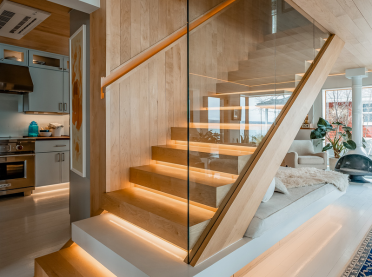
Mood begins with balance. Harsh, uniform lighting flattens a space and overwhelms the senses. Thoughtful lighting introduces contrast—light and shadow, focus and restraint. It allows architectural elements to breathe and creates depth that feels natural and composed.
Just as important is how light changes. Spaces are not static, and lighting shouldn’t be either. A home that feels energizing during the day should gradually transition into something warmer and quieter as evening approaches. These shifts should feel effortless, not abrupt—almost unnoticed, yet deeply felt.
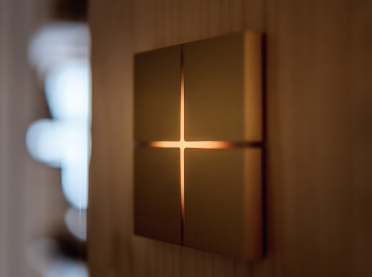
Automation plays a critical role in this experience. When lighting scenes are designed around emotion rather than function, control becomes intuitive. A single action can soften a room, lower visual noise, and change the atmosphere entirely. The goal is never to think about the system—only the feeling it creates.
Designing mood also means restraint. Not every surface needs to be illuminated. Not every moment needs brightness. Sometimes the most powerful lighting decision is knowing what to leave in shadow.
When lighting is designed with intention, it supports the way people live, rest, and connect. It reduces stress. It enhances comfort. And it allows spaces to feel truly complete.
Because great lighting isn’t about seeing more.
It’s about feeling more.